My Technical Projects 🖥️

My Technical Projects

A collection of technical projects spanning network design, application development, and database engineering — each built to deepen hands-on expertise beyond certification study.

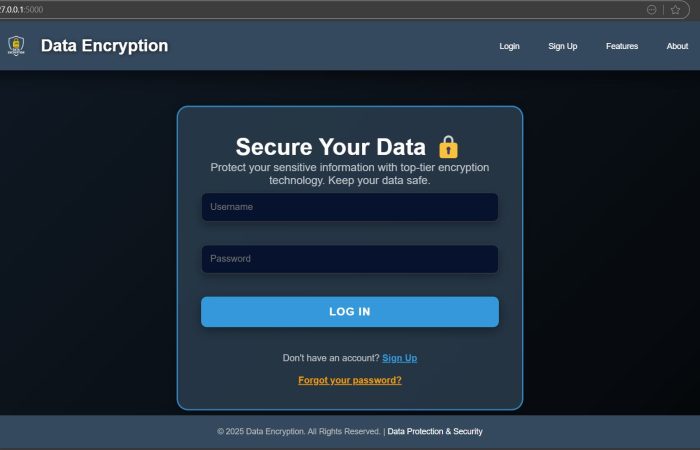
1. Graduation Project – Data Encryption App

For my graduation project, I developed a Data Encryption App designed to securely encrypt and decrypt sensitive data using both AES (symmetric encryption) and RSA (asymmetric encryption) techniques. The app ensures data confidentiality and secure storage.

Key Features:

  • AES and RSA encryption for secure data storage and transmission.
  • Password-based key generation for encryption.
  • File encryption and decryption support.

Technologies Used:

  • Python is a cryptography library for encryption.
  • AES (Fernet) and RSA encryption methods.
  • PBKDF2HMAC for key generation.

Challenges & Skills:

  • Gained practical experience in cryptographic techniques, key management, and secure programming practices.

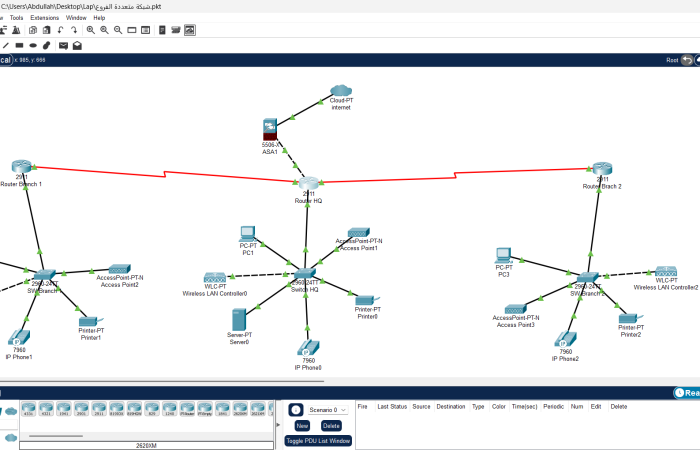
2. Network Lab Setup – Packet Tracer

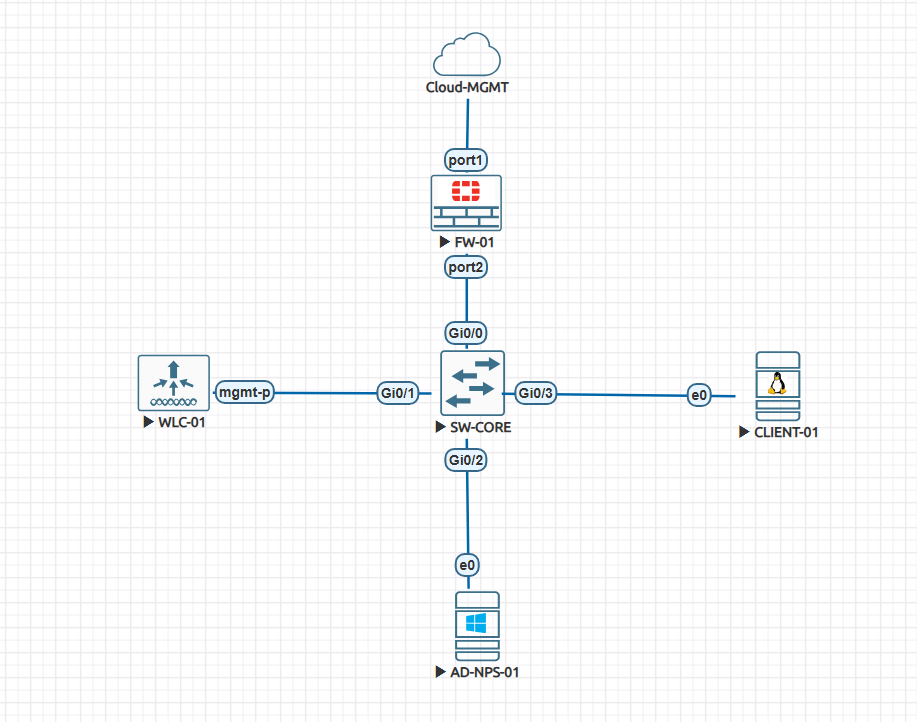
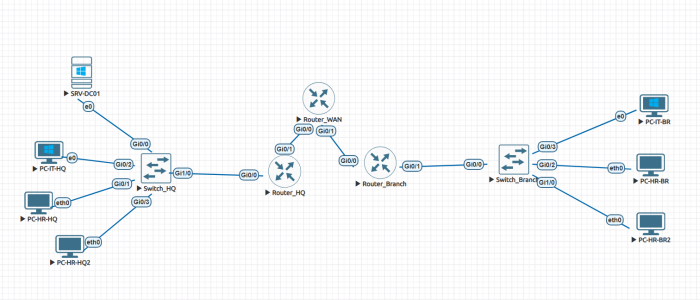
For this project, I created a network lab using Cisco Packet Tracer to simulate different network configurations and scenarios. The goal was to design and implement various network topologies, configure routing protocols, and troubleshoot network issues in a virtual environment.

Key Features:

  • Designed multiple VLANs and subnetting to segment the network.
  • Configured routing protocols (RIP, OSPF) to enable communication between different networks.
  • Simulated DHCP, NAT, and DNS services to enhance network functionality.
  • Tested network stability and performance under different configurations.

Technologies Used:

  • Cisco Packet Tracer for network simulation.
  • Routing protocols (RIP, OSPF), VLAN configuration, and IP addressing.

Challenges & Skills:

  • Gained hands-on experience in network design and troubleshooting.
  • Learned how to manage network traffic, optimize routing, and ensure network efficiency under various scenarios.


3. SQL Server-Based Library System

For this project, I developed a Library Management System using SQL Server. This system allows for efficient management of books, members, and transactions in the library.

Key Features :

  • Database Schema: Designed and implemented the database structure to handle books, members, borrowed books, and transactions.
  • CRUD Operations: Implemented Create, Read, Update, and Delete operations for books and members.
  • Borrow/Return System: Included functionality to borrow and return books with automatic updates to the inventory.
  • Statistics: Implemented queries to generate statistics on books and members, including popular books and overdue books.

Technologies Used :

  • SQL Server for database management.
  • T-SQL for queries, stored procedures, and functions.

Challenges & Skills :

  • Gained experience in database design and normalization.
  • Developed complex queries for inventory management, statistics, and book tracking.

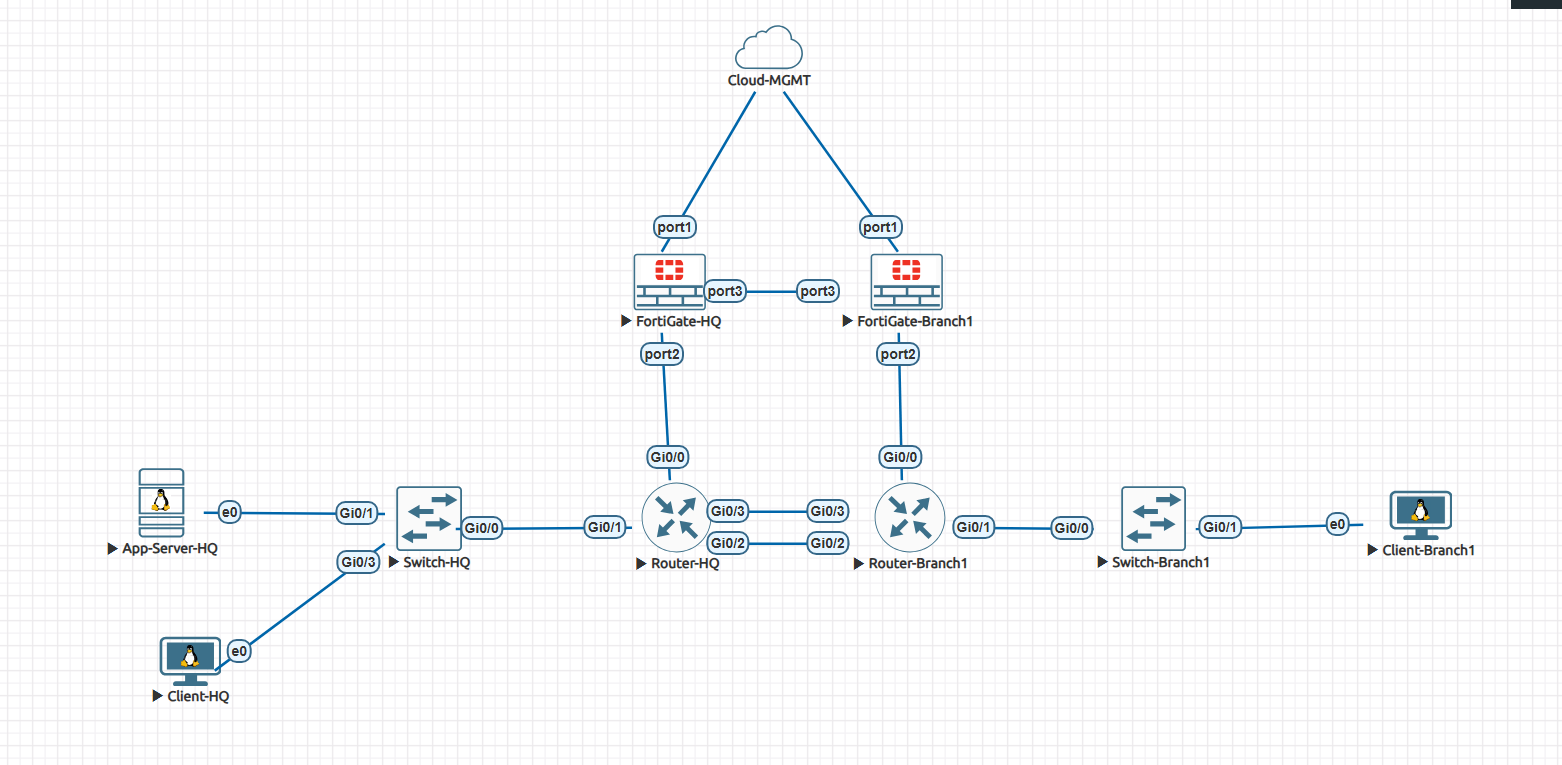
4. Enterprise Architecture Security System — CyberKey

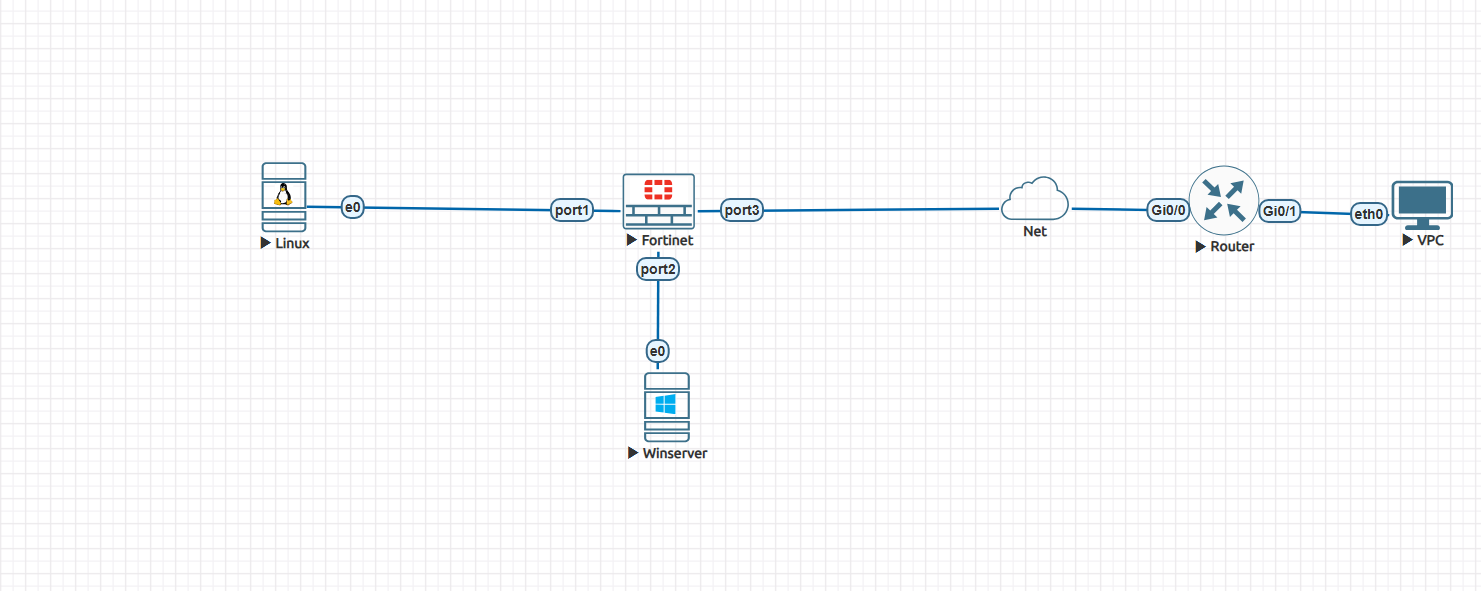
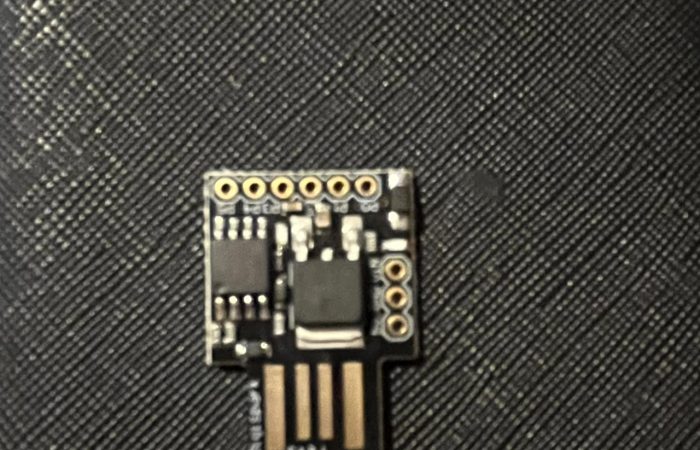
A hardware-software security project built around the ATtiny85 microcontroller, designed to simulate an enterprise-grade incident response system triggered by a physical hardware key.

How it works:

  • A physical ATtiny85 device (programmed via Arduino IDE) acts as a hardware IR key
  • Upon activation, it opens a terminal and writes a digital signal file to the system
  • A Bash watcher service monitors the signal file and triggers the network client
  • The client dispatches an isolation payload to a SOC Central Server (Python socket, port 9999)
  • The SOC server executes enterprise orchestration: FortiGate interface isolation + Domain Controller account lockout

Stack & Tools:
ATtiny85 (Digispark) — Arduino IDE — Python (socket) — Bash scripting — Ubuntu — FortiGate API — Active Directory

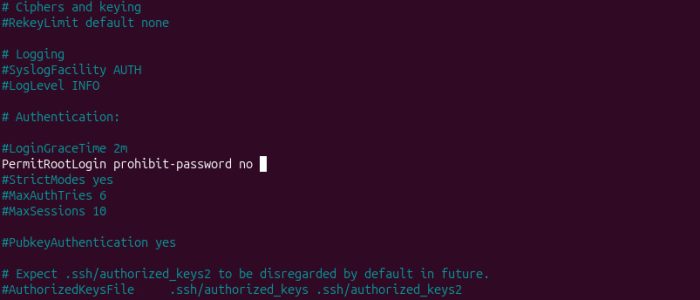
  1. Linux SSH Hardening – Ubuntu Server

A hands-on Linux security project focused on hardening SSH access on an Ubuntu machine, applying real-world best practices used in enterprise environments.

What was implemented:

  • Changed default SSH port from 22 to 2200 to reduce automated attacks
  • Disabled root login via SSH (PermitRootLogin no)
  • Disabled password authentication — enforced RSA 4096-bit key-based authentication only
  • Generated a 4096-bit RSA key pair stored securely in /home/ssh_key_pairs
  • Configured UFW firewall: allowed port 2200 only from trusted IP 192.168.41.1, blocked port 22
  • Created a backup of the original sshd_config before any changes

Technologies Used:
Ubuntu Linux · OpenSSH · UFW Firewall · RSA Key Pair · Nano · Bash CLI

Key Takeaway:
Demonstrates practical knowledge of Linux security hardening — a critical skill for any network or cloud engineer managing remote infrastructure.